 中文
 繁體中文
 日本語
 English
 Deutsch
 Español
 Français
 العربية
 Italiano
 한국어
 Nederlands
 Português
 Русский
 Türkçe
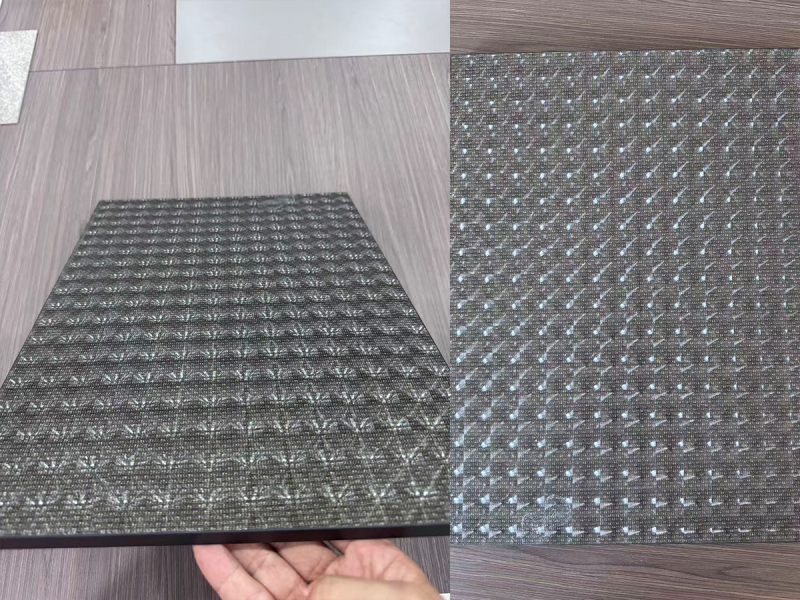
3D Faced Eco Plywood
One-Sentence Definition: 3D Faced Eco Plywood is a decorative panel produced using an advanced pressing process, in which melamine-impregnated paper is hot-pressed at high pressure with a precision engraved mold onto the surface of a substrate, creating a naked-eye 3D texture that can be felt without wearing glasses.
Core Positioning: Naked-eye 3D · Advanced Pressing Process · Melamine Faced · Suitable for Any Substrate
Product Introduction
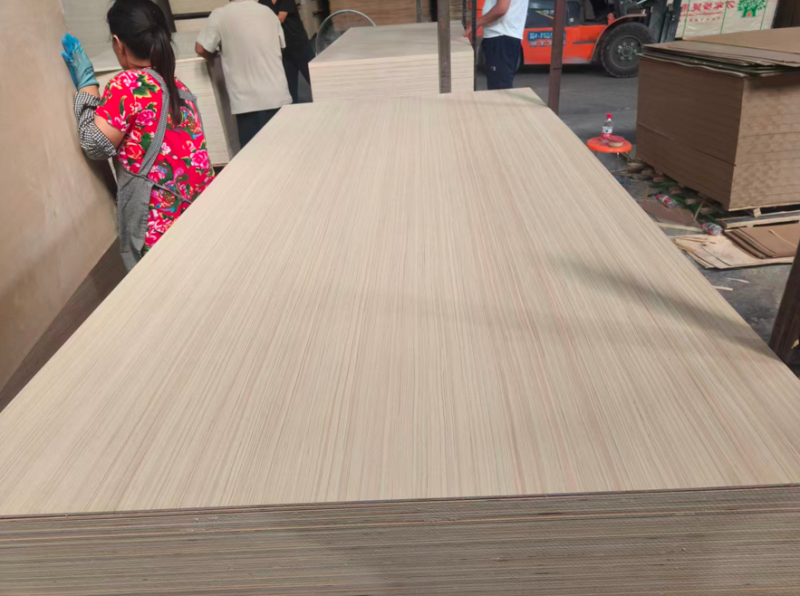
3D Faced Eco Plywood uses an advanced pressing process. Melamine-impregnated paper is hot-pressed at high pressure with a precision engraved mold, forming a three-dimensional texture and achieving a naked-eye 3D visual effect, allowing you to feel the relief without wearing glasses.
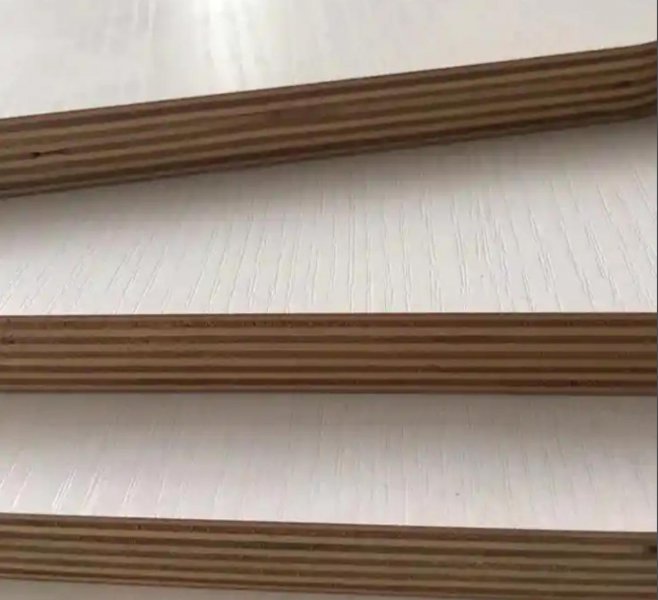
This process can be applied to any panel, including plywood, MDF, particleboard, blockboard, etc. Substrate selection is flexible, and surface textures can be customized — from wood grain and stone grain to geometric patterns, all can present a realistic three-dimensional effect.
I. Core Features
1. Naked-Eye 3D
Three-dimensional surface texture, synchronized visual and tactile experience, no glasses required.
2. Advanced Pressing Process
Melamine-impregnated paper is pressed in a single pass, with clear texture and strong adhesion.
3. Suitable for Any Substrate
Plywood, MDF, particleboard, etc. can all be used.
4. Eco-Friendly
Melamine faced, low formaldehyde emission, compliant with E0 / ENF standards.
5. Abrasion and Scratch Resistant
Dense surface, easy to clean, suitable for high-frequency use scenarios.
II. Main Applications
Furniture doors
Kitchen cabinet doors
Wardrobe doors
Wall panels
Commercial space decoration
Display cabinets
Interior partitions
III. Customization Service
Texture customization and color customization supported
Sample confirmation provided
Minimum order quantity: 1 pallet
Delivery time: generally 15–25 days (custom textures require sample confirmation first; delivery time depends on process complexity)
IV. Frequently Asked Questions (FAQ)
Q1: What is the naked-eye 3D effect? How is it achieved?
A: Naked-eye 3D means that a three-dimensional relief texture can be seen with the naked eye without wearing glasses. We use an advanced pressing process, in which melamine-impregnated paper is hot-pressed at high pressure with a precision engraved mold, forming a realistic three-dimensional texture on the surface with synchronized visual and tactile effects.
Q2: Can this process only be used on plywood? What about other panels?
A: No. This process can be applied to any panel, including plywood, MDF, particleboard, blockboard, etc. Substrate selection is flexible and can be matched according to usage and budget.
Q3: What is the eco-friendly grade of 3D Faced Eco Plywood?
A: It uses melamine-impregnated paper, with low formaldehyde emission, reaching E0 grade or even ENF grade, compliant with environmental requirements, and suitable for indoor furniture and decoration.
Q4: Is the surface abrasion-resistant? Is it easy to clean?
A: The surface is dense, abrasion and scratch resistant. Daily cleaning only requires wiping with a damp cloth. Strong acid or alkaline cleaners are not recommended.
Q5: Can textures and colors be customized? What options are available?
A: Yes, customization is available. Common textures include wood grain, stone grain, geometric patterns, abstract textures, etc. Colors can be matched to customer requirements. Sample confirmation is provided.
Q6: Where is the 3D panel suitable for use?
A: It is mainly used for furniture doors, kitchen cabinet doors, wardrobe doors, wall panels, commercial space decoration, display cabinets, and interior partitions.
Q7: What should be noted during installation?
A: It is recommended to use special edge banding to treat the edges and avoid prolonged humid environments. When cutting, use sharp blades to prevent surface damage.
Q8: What are the minimum order quantity and delivery time?
A: The minimum order quantity for standard products is 1 pallet, and the delivery time is generally 15–25 days after order confirmation. Custom textures require sample confirmation first; the delivery time depends on process complexity.