 中文
 繁體中文
 日本語
 English
 Deutsch
 Español
 Français
 العربية
 Italiano
 한국어
 Nederlands
 Português
 Русский
 Türkçe
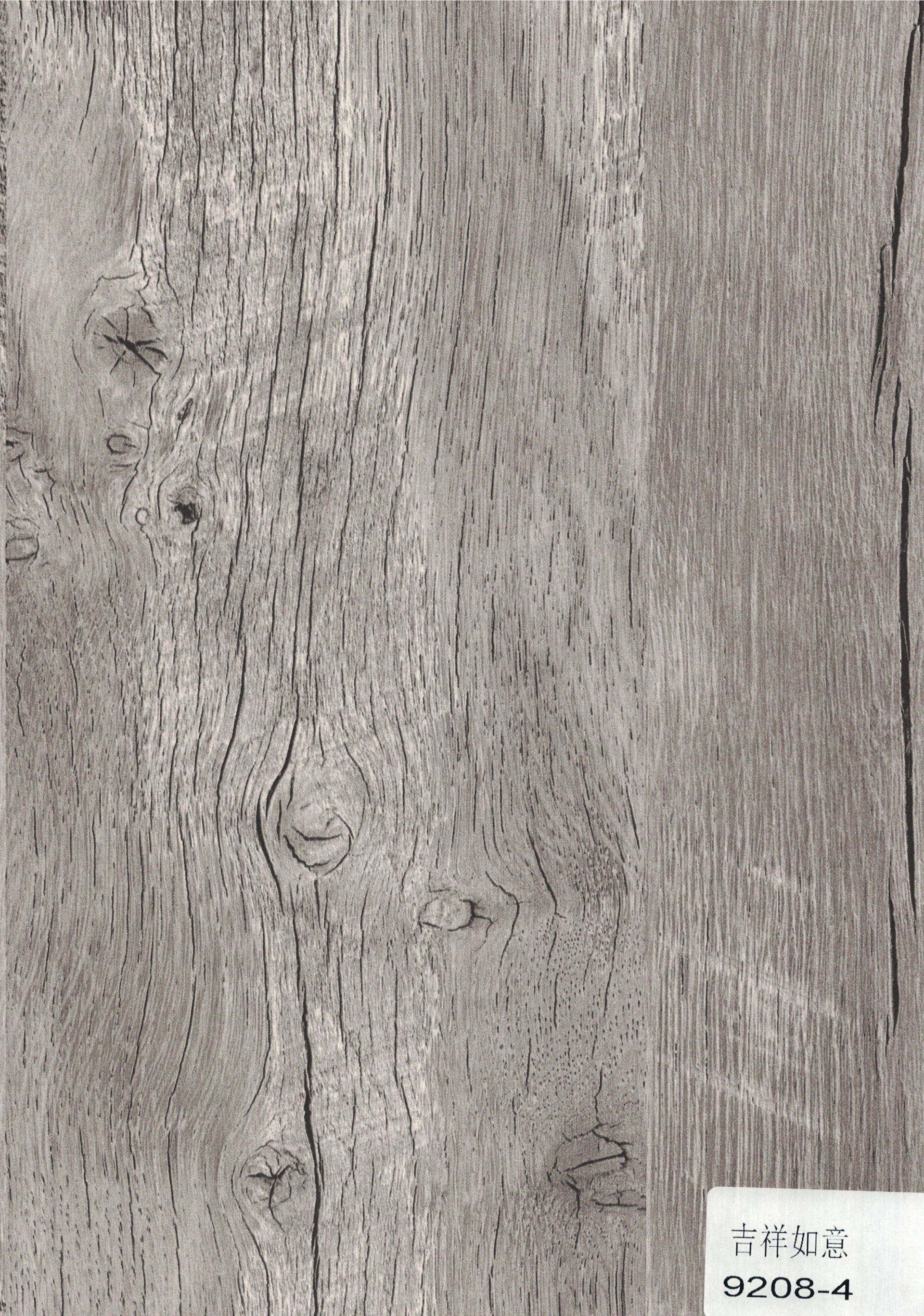
Q1: What exactly is melamine decorative paper? And how is it related to "melamine-faced panels"?
A1: Melamine decorative paper, technically known as melamine impregnated resin film paper, is a plain base paper or printed decorative paper that has been impregnated with melamine-formaldehyde resin (and urea-formaldehyde resin, etc.) and dried to a certain degree, so that it has a specified resin content and volatile content. Under heat and pressure, it can bond to itself or to a wood-based substrate.
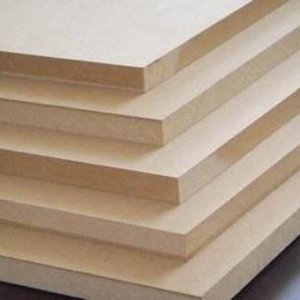
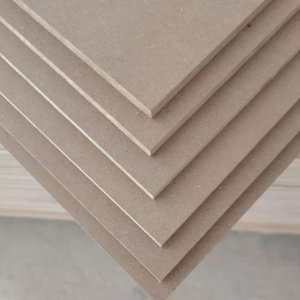
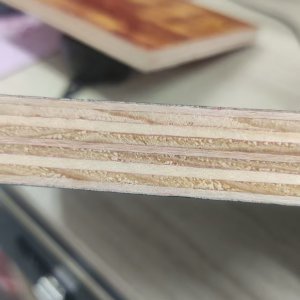
The decorative paper itself is not an end product, but an intermediate material. It must be firmly bonded to a wood-based substrate (particleboard, MDF, plywood, etc.) through a high-temperature, high-pressure pressing process before it forms the final "melamine-faced panel" used in end applications (also commonly called paint-free board or ecological board in the market).
Q2: Is the environmental grade of decorative paper equivalent to the environmental grade of the finished faced panel?
A2: They cannot simply be equated. The formaldehyde emission of the finished faced panel is determined by two sources together: the formaldehyde emission of the substrate itself, and the free formaldehyde remaining in the impregnating resin of the decorative paper. The decorative paper is only one part of the chain.
According to the current national standard GB/T 39600—2021, formaldehyde emission from wood-based panels and their products for indoor use is classified as: E1 grade (≤0.124 mg/m³), E0 grade (≤0.050 mg/m³), and ENF grade (≤0.025 mg/m³). The decorative paper itself can achieve a low formaldehyde content, but whether the finished product reaches E0 or ENF depends on the combined result of substrate + decorative paper + pressing process. When purchasing, you should request the test report of the finished faced panel, not just the data sheet of the decorative paper.
Q3: When purchasing decorative paper, which technical indicators must be confirmed?
A3: There are three core indicators: resin content (impregnation amount), volatile content, and pre-curing degree.
Resin content reflects the amount of resin in the paper and directly affects surface density, abrasion resistance, and adhesion after pressing. In industrial purchasing requirements, the common range is a deviation of ±10% from the indicated value.
Volatile content reflects the moisture and volatile matter remaining in the paper after drying. If it is too low, the resin flow during pressing is insufficient; if it is too high, water marks or bubbles may form on the panel surface. The common control range is 5%–9%.
Pre-curing degree reflects the degree of curing that has already occurred during the impregnation and drying stage. If it is too low, the resin flows excessively during pressing; if it is too high, the flowability is insufficient and surface flatness is affected. The common range is 10%–70%.
These three indicators must be uniform within the same batch and the same sheet width; otherwise, local defects are likely to appear after pressing.
Q4: What causes "dry flowers" (opaque white spots) after pressing?
A4: "Dry flowers" are opaque white spots on the surface of the faced panel. The root cause is insufficient flowability or insufficient flow time of the glue (resin), so that the resin does not fully spread locally and fill the micropores on the substrate surface, forming white spots after curing.
Common triggers include: low resin content or uneven distribution, high pre-curing degree leading to reduced flowability, and insufficient pressing temperature or pressure so that the resin does not flow out sufficiently. This is not a single problem of the substrate or the paper; it must be investigated simultaneously from both ends—the impregnation process and the pressing parameters.
Q5: What is the relationship between cracks (crazing) on the surface of the faced panel and the decorative paper?
A5: Cracking usually appears as fine cracks on the panel surface. There is more than one cause, but the factors related to the decorative paper mainly include: too low resin content, leading to insufficient strength of the facing layer and low peel strength; and too high pre-curing degree or too long storage period, which reduces the flow and leveling performance of the resin.
In addition, excessively high pressing temperature or uneven temperature on the mold surface may also induce cracking. Therefore, cracking should be regarded as the result of the combined action of decorative paper indicators, substrate condition, and pressing process, and cannot be attributed to a single material alone.
Q6: How should decorative paper be stored? What are the consequences of improper storage?
A6: The impregnated and dried resin film paper is hygroscopic, and improper storage directly affects its use. In industry practice, the recommended storage conditions are: temperature 20°C–25°C, relative humidity 55%–65%, and the packaging must remain sealed.
If the storage humidity is too high, the resin film paper absorbs moisture, causing the paper sheets to stick together and preventing normal unwinding; at the same time, the volatile content changes, and bubbles, delamination, or uneven gloss may occur during pressing. Any partially used roll should be resealed immediately and returned to a constant-temperature and constant-humidity warehouse.
Q7: Is decorative paper "the thicker the better" or "the more resin the better"?
A7: Neither is an absolute standard. The performance of decorative paper depends on the overall match of base paper grammage, resin content, resin type, and curing quality, rather than maximizing a single indicator.
If the resin content is too high, surface density may improve, but controlling resin flowability becomes more difficult and the risk of resin overflow during pressing increases; if it is too low, surface porosity increases and abrasion resistance and adhesion decrease. The base paper grammage also needs to match the target surface effect—base paper that is too thick may introduce additional stress on thin substrates. A reasonable approach is to confirm the design indicator range for that batch with the supplier according to the end use (furniture surfaces, flooring, door panels, etc.) and the substrate type, rather than pursuing the maximization of a single value.
Q8: Are there unified standards for pressing temperature and pressure? Why do different suppliers provide different parameters?
A8: There are no fixed parameters unified across the entire industry. Pressing temperature, pressure, and time depend on the type and thickness of the substrate, the resin system and pre-curing degree of the decorative paper, and the target surface effect (high gloss, matte, synchronized texture, etc.).
In publicly available process documents, a wide range can be seen: pressing temperature from 120°C to above 200°C, pressure from 1.2 MPa to 13 MPa, and time from a few seconds to several minutes, corresponding to different product systems and equipment conditions. Therefore, the parameters provided by the supplier should be regarded as recommended values under their specific substrate, equipment, and decorative paper batch conditions. For first-time use, the actual effect must be confirmed through trial pressing, and they should not be directly applied to different substrates or different batches of decorative paper.
Q9: How can the quality stability of a batch of decorative paper be judged?
A9: In addition to checking the resin content, volatile content, and pre-curing degree test data provided by the supplier, batch consistency deserves more attention than the absolute value of a single batch.
Within the same decor and the same batch, the fluctuation range of the above three indicators should be as small as possible; between different batches, it should be confirmed whether the resin system and the source of base paper have changed. In terms of appearance, attention should be paid to color difference, stains, blind spots, and printing registration errors—the group standard requires that color difference be "not obvious" and stains "not permitted." For projects requiring multi-batch matching (for example, large custom furniture orders), it is recommended to require the supplier to provide retained samples and to compare them when each batch arrives.
Q10: Is the "abrasion resistance" of decorative paper determined by the paper itself?
A10: Not entirely. Decorative paper can provide a surface formulation containing wear-resistant materials (such as aluminum oxide), but the final surface abrasion resistance is formed only after pressing and curing, and depends on the crosslinking density of the resin, the uniformity of distribution of the wear-resistant materials, and whether the pressing process has caused the resin to fully flow and cure completely.
Therefore, abrasion resistance should be evaluated based on the abrasion test results of the finished faced panel after pressing. The same decorative paper may produce different abrasion resistance in the finished product under different substrates and different pressing conditions.
Summary: What to focus on most when purchasing decorative paper
Melamine decorative paper is a "semi-finished product." Its final performance is jointly determined by the design of the base paper and resin formulation, the control of the impregnation and drying process, the maintenance of storage conditions, and the matching of the pressing stage. Purchasing decisions should not be based solely on decor and unit price, but should also confirm:
-
measured values and uniformity of resin content, volatile content, and pre-curing degree;
-
whether the supplier provides retained samples and test data for each batch;
-
the matching substrate type and recommended pressing window for the decorative paper;
-
the environmental test report of the finished faced panel (not just the decorative paper data).